
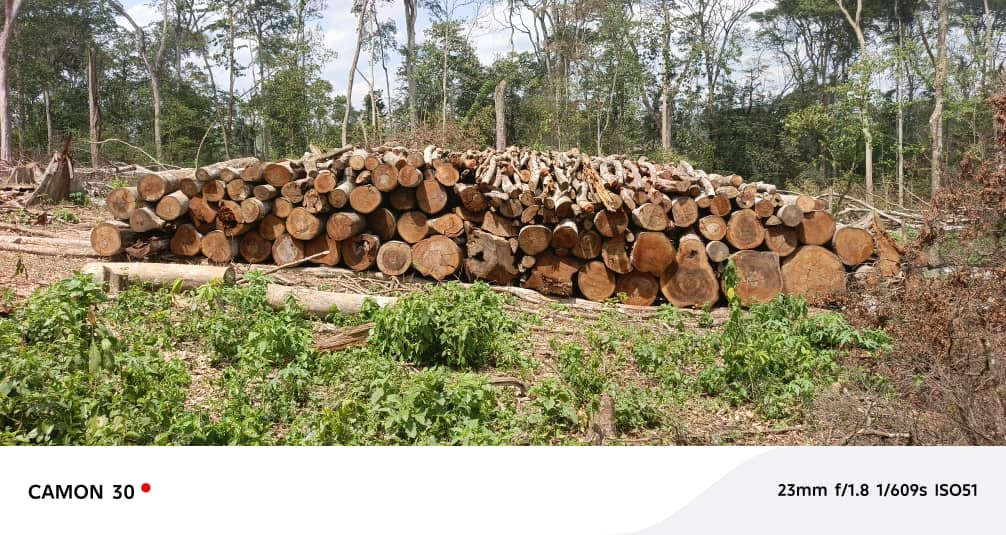
A stack of freshly cut logs can look like honest commerce. Too often in Uganda it is the opposite: trees felled inside protected reserves, moved on forged permits, and sold into a timber market that asks few questions. Illegal logging, encroachment for agriculture and settlement, and the illicit timber trade have pushed forest crime to the centre of the NWCCTF’s mandate.
The legal tools exist. The National Forestry and Tree Planting Act (2003) protects central forest reserves; the National Environment Act (2019) adds environmental offences; and the Wildlife Act (2019) covers protected flora. What the Task Force adds is enforcement that connects the chain, from the chainsaw crew, to the transporter on the highway, to the dealer and the financier behind them.
The approach mirrors the wildlife playbook: joint intelligence identifies cutting sites and transit routes; multi-agency road operations intercept trucks; environmental inspectors and prosecutors build cases that hold. Regional engagements in Bunyoro in 2025 focused specifically on forest crime, and were covered nationally in a Daily Monitor press feature that December, a sign of growing public attention.
Planned operations for 2026 keep the pressure on, with joint enforcement scheduled for Budongo Forest, Rwenzori West and other hotspots, alongside bi-annual national law-enforcement operations coordinated across all member institutions.
Illicit timber depends on silence along the roadside. If you see suspicious logging or timber movement, report it to the Task Force, your tip is confidential and trackable.