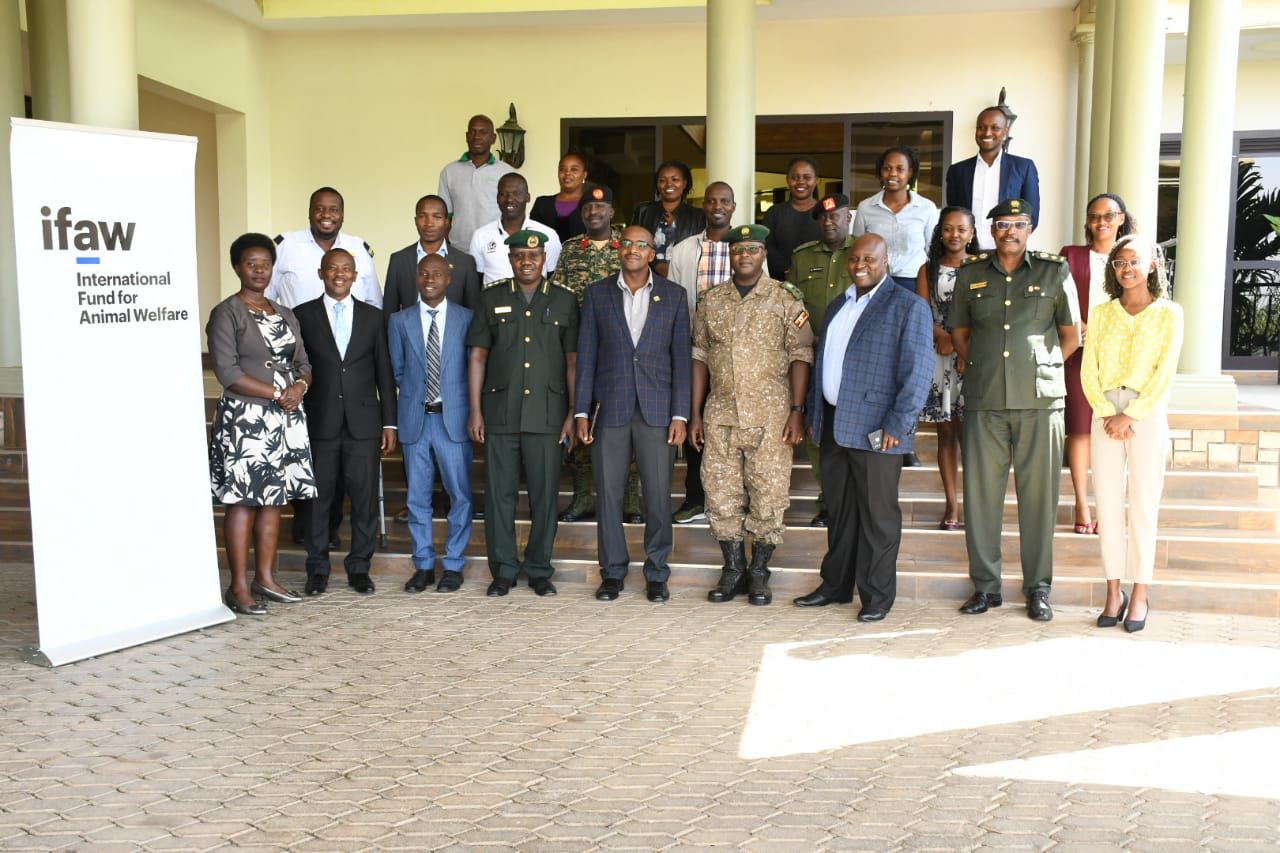
The seizures make the headlines, but the Task Force runs on something quieter: a schedule of quarterly coordination meetings where the member institutions sit at one table and turn separate mandates into a single response to wildlife crime.
Each member institution designates focal persons, the working nerves of the Task Force. Convened by a Secretariat hosted at the Uganda Wildlife Authority, these officers gather each quarter to do the unglamorous work that makes joint enforcement possible: reviewing the wildlife-crime picture across the country, tabling intelligence, tracking resolutions from the previous meeting, and agreeing on what to do next.
Information sharing
The meetings exist first to move information. Intelligence that once sat locked inside a single agency, a customs anomaly, a financial red flag, a pattern noticed by an analyst, is shared under agreed Standard Operating Procedures with the institutions that can act on it. A customs officer at a border post learns which wildlife intelligence officer to call; a prosecutor learns which case files are coming.
Joint operations
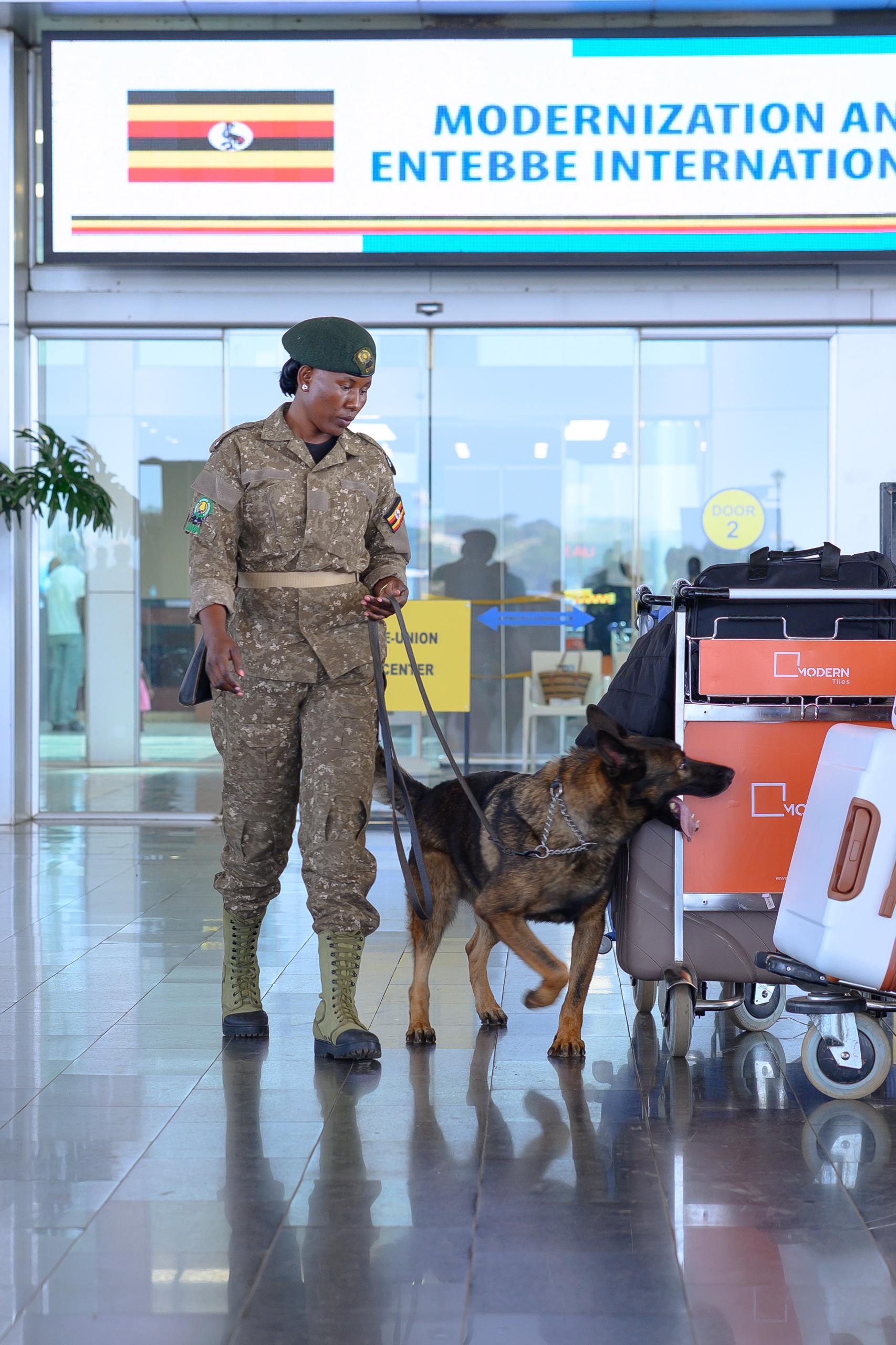
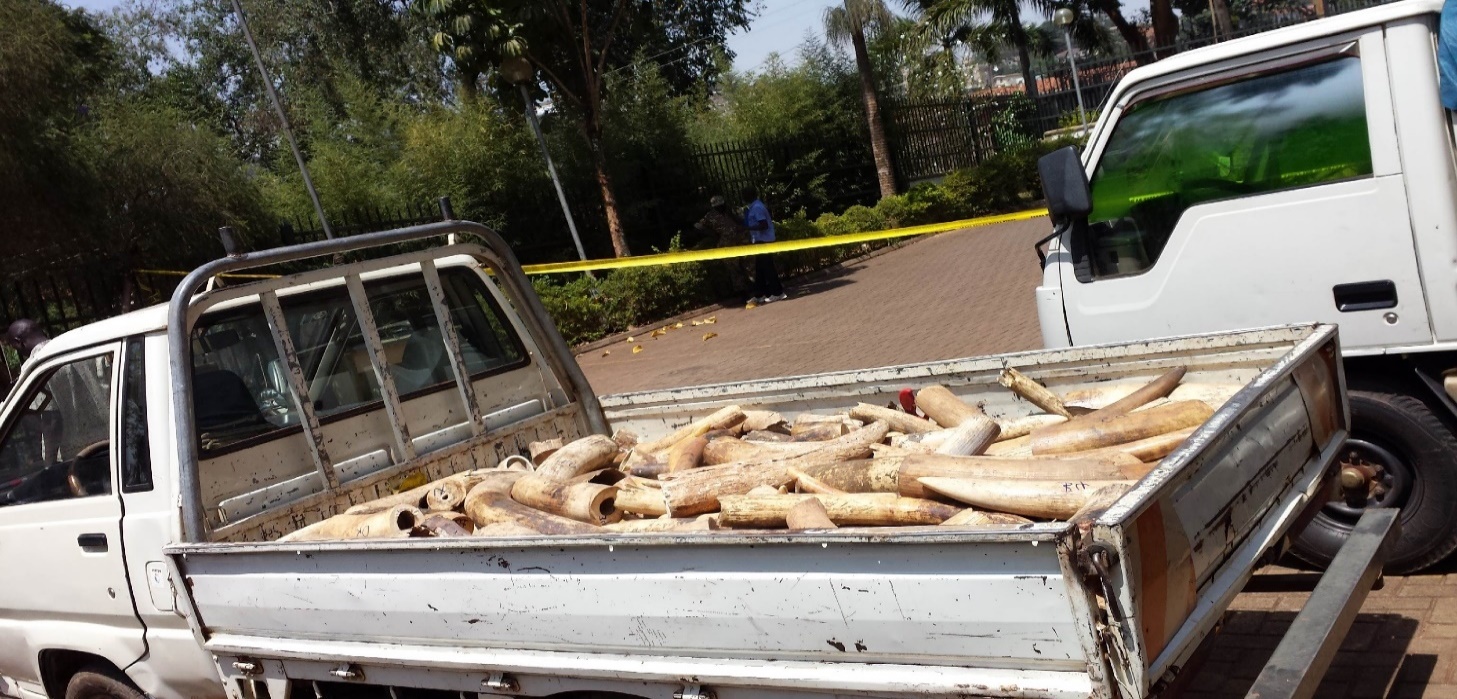
From that shared picture come joint operations. Because rangers, police investigators, customs officers, immigration control, military support and prosecutors have already met and planned together, an operation can be assembled quickly and under a single plan, the model behind interceptions of ivory, pangolin scales, rhino horn and live animals across the country.
Expedited prosecutions
Coordination continues past the arrest. With the Office of the Director of Public Prosecutions at the table, cases are prepared to hold up in court and move without avoidable delay, the difference between a seizure and a conviction. The record of eight-year and seven-year custodial sentences and multi-million-shilling fines is a product of this joined-up chain from intelligence to sentence.
It is deliberately undramatic work. But every landmark case in the Task Force record can be traced back to a resolution taken, quietly, around that quarterly table, and to the member agencies choosing to act as one.