For more than a decade, Uganda has fought a difficult reputation: a transit hub for elephant ivory sourced across the region and moved toward destination markets in Asia. In 2013 the CITES Secretariat listed Uganda as a country of “primary concern” for the illegal ivory trade, a designation that demanded a decisive national response.
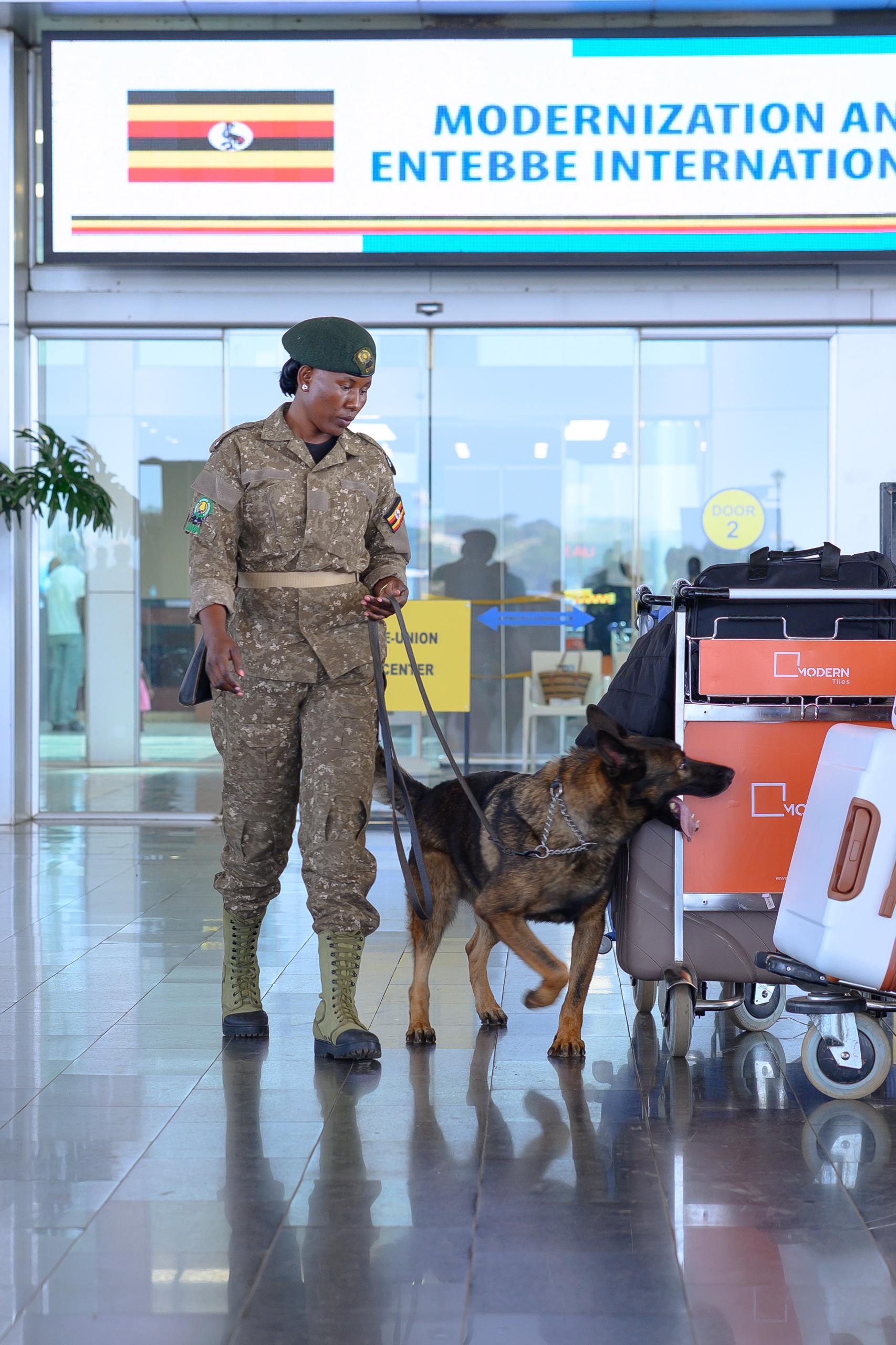
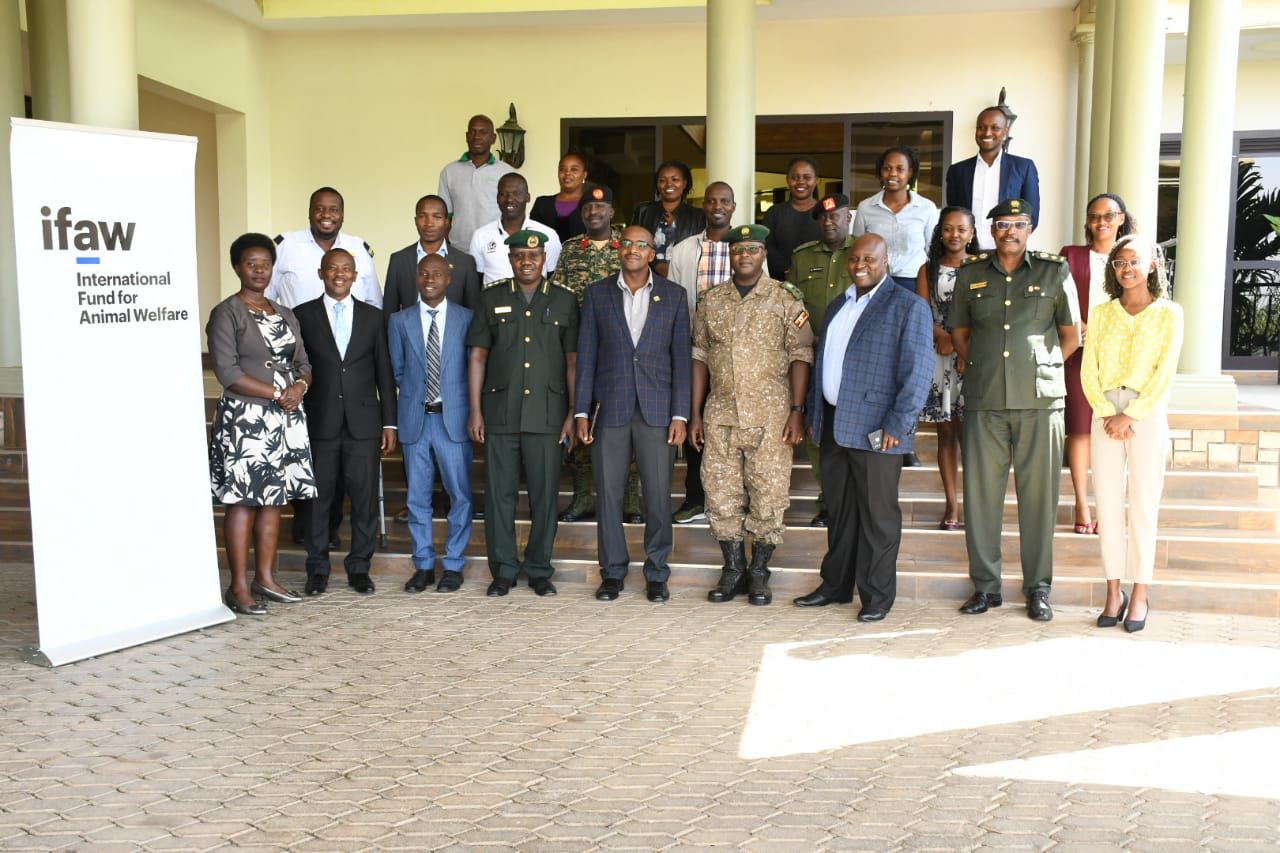
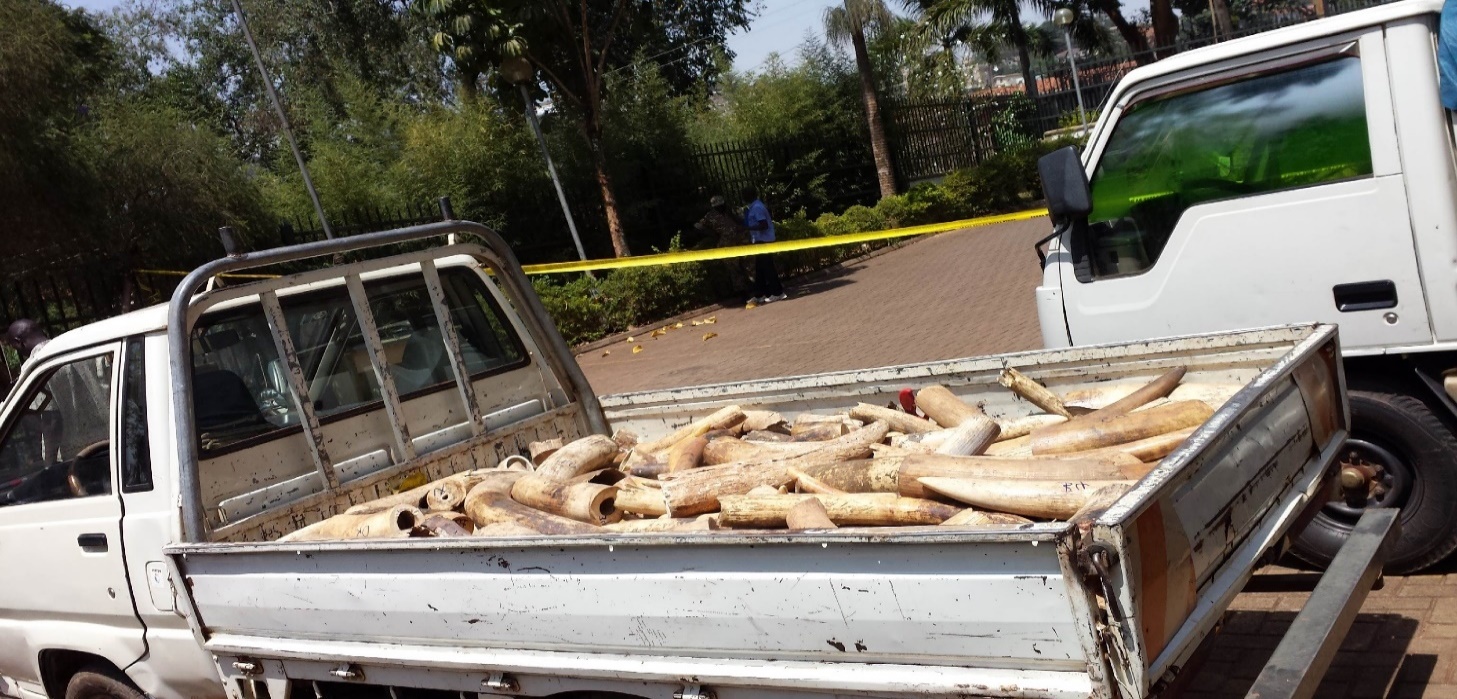
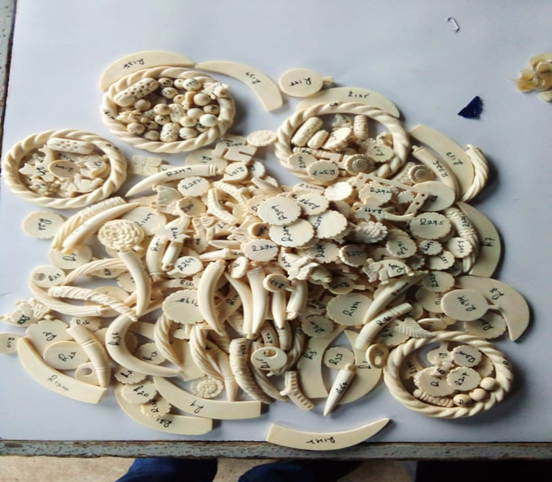
That response has been coordination. Since the National Anti-Wildlife Crime Coordination Task Force (NWCCTF) brought its member ministries, departments and agencies to one table, intelligence-led operations have produced a run of significant ivory interdictions: 1.3 tonnes recovered in Najjanakumbi, Kampala; 58 kilogrammes seized alongside a record pangolin-scale haul in December 2021; and 134 pieces of worked ivory intercepted at Entebbe International Airport in September 2022, ending in conviction and a UGX 40 million fine.
The cases reveal how trafficking adapts, ivory concealed in commercial cargo, moved through border posts, or carried in passenger luggage, and why no single agency can stop it alone. Customs officers flag anomalous shipments, wildlife rangers identify specimens, financial investigators trace payments and prosecutors carry cases through Uganda’s dedicated Standards, Utilities and Wildlife Court.
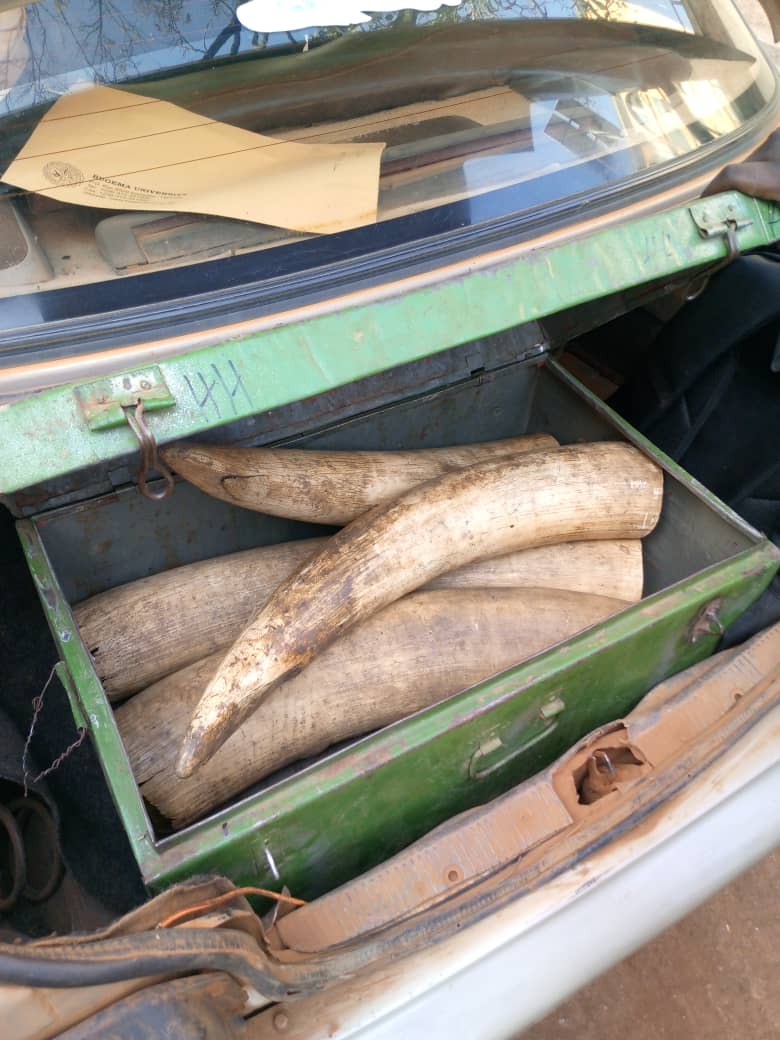
Perhaps the strongest signal came in August 2023, when a serving traffic police officer was arrested with 34 kilogrammes of elephant ivory. No one, the Task Force made clear, stands outside the law.
Every seizure represents elephants that died for their tusks, and a supply chain that can still be broken. If you have information about ivory trafficking, report it to the Task Force, anonymously if you prefer.