News
Inside Uganda’s fight against the illegal ivory trade
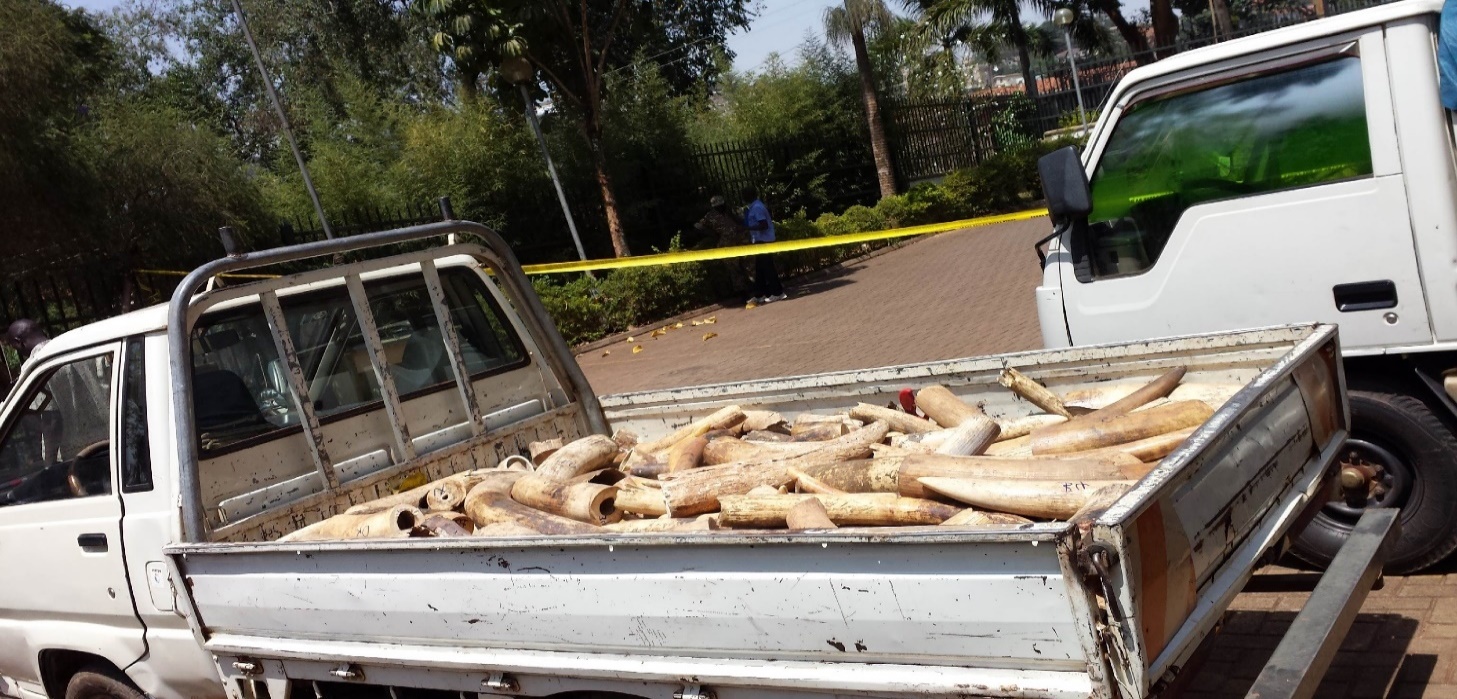
From a 1.3-tonne seizure in Najjanakumbi to worked ivory intercepted at Entebbe, coordinated multi-agency action is squeezing the ivory supply chain through Uganda.
The forms of wildlife and forest crime the task force works to prevent, detect and prosecute.
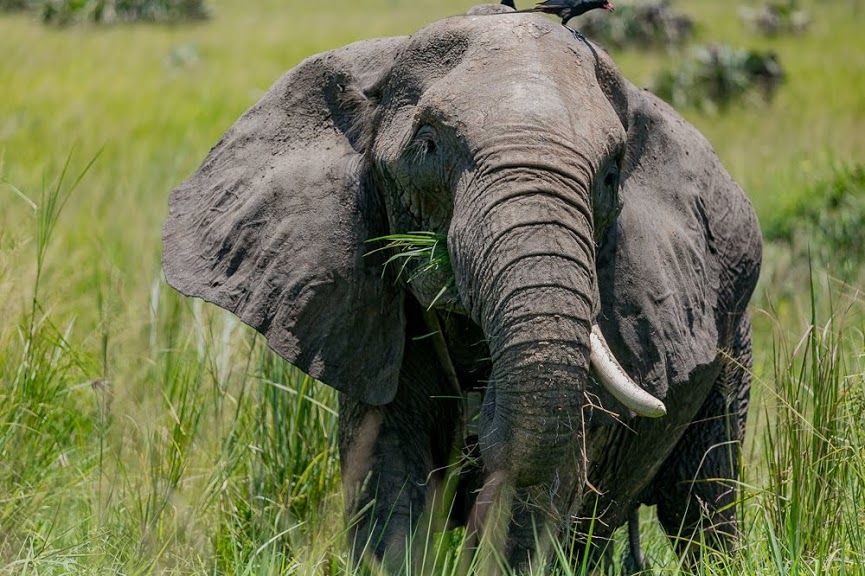
Illegal hunting, killing or capture of wild animals, including the use of snares, spears, poison and firearms inside and outside protected areas.
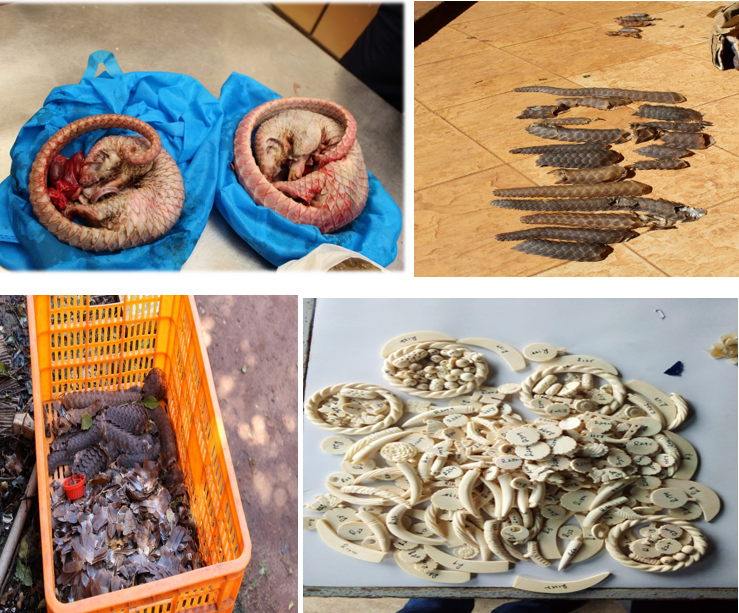
Possession, transport, sale or export of elephant ivory and rhino horn, raw or worked, in violation of national law and CITES.
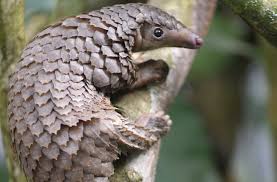
Trade in pangolins and pangolin scales. Pangolins are the most trafficked mammals on earth and all species are protected in Uganda.
Smuggling of live wild animals, parrots, primates, reptiles and other species, for the illegal pet trade and export markets.
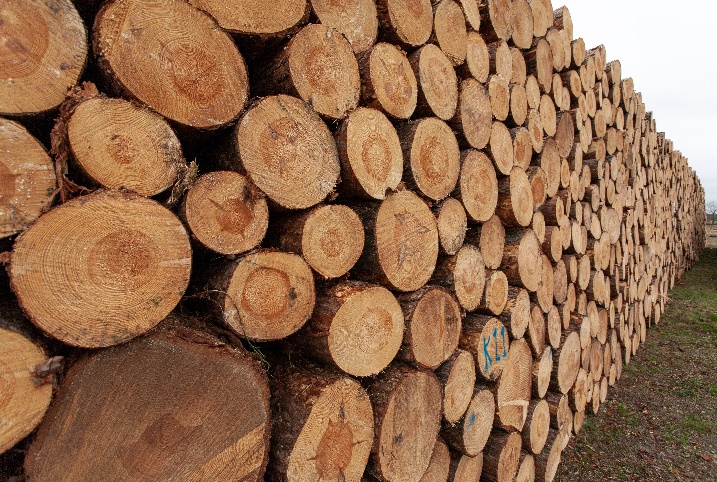
Unlicensed felling, transport and sale of timber, including protected hardwood species and timber sourced from central forest reserves.
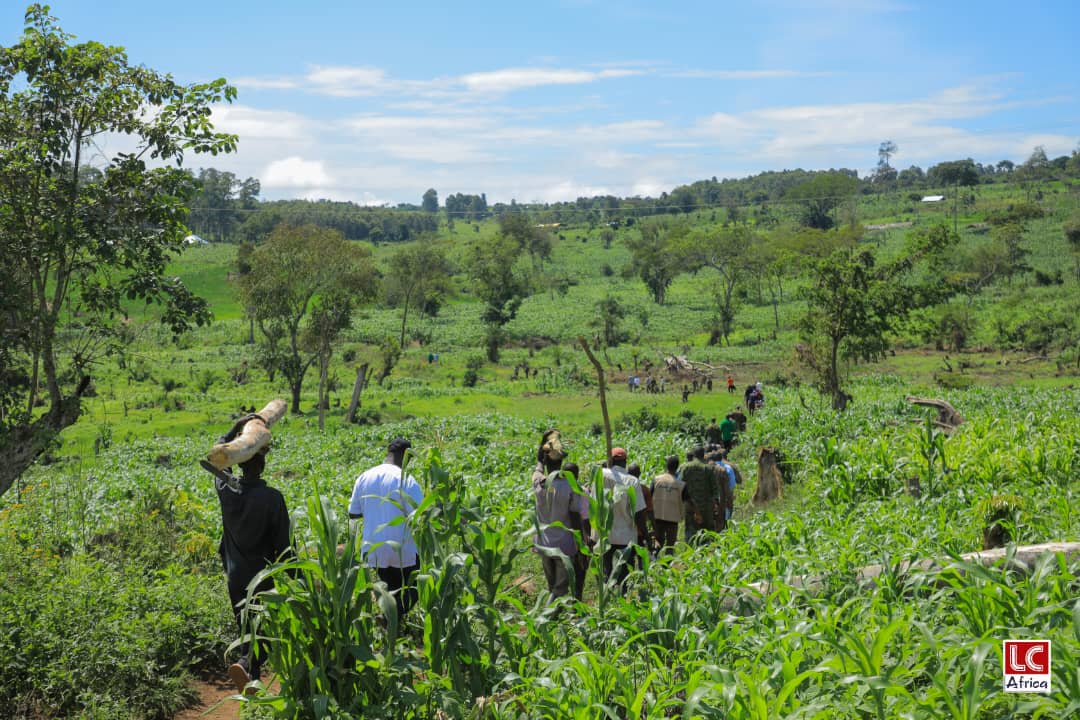
Illegal occupation, clearing or conversion of gazetted forest reserves and other protected forest land for agriculture, settlement or charcoal production.
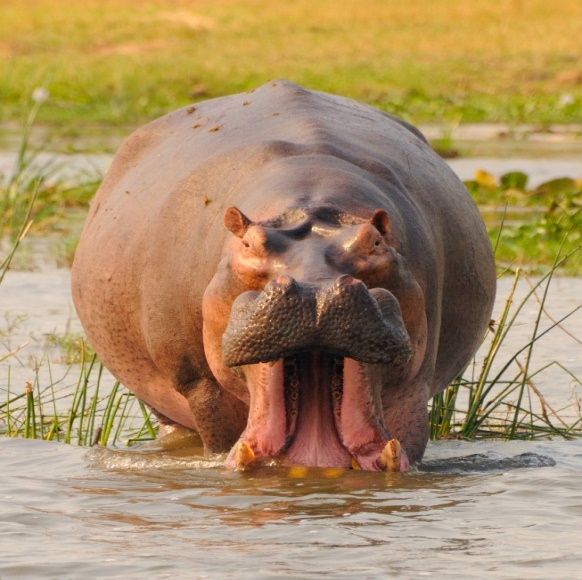
Commercial hunting, sale and movement of wild animal meat, which drains wildlife populations and poses public-health risks.
Illegal harvest and trade of protected plant species, including medicinal plants, orchids and other flora regulated under national law and CITES.
From a 1.3-tonne seizure in Najjanakumbi to worked ivory intercepted at Entebbe, coordinated multi-agency action is squeezing the ivory supply chain through Uganda.
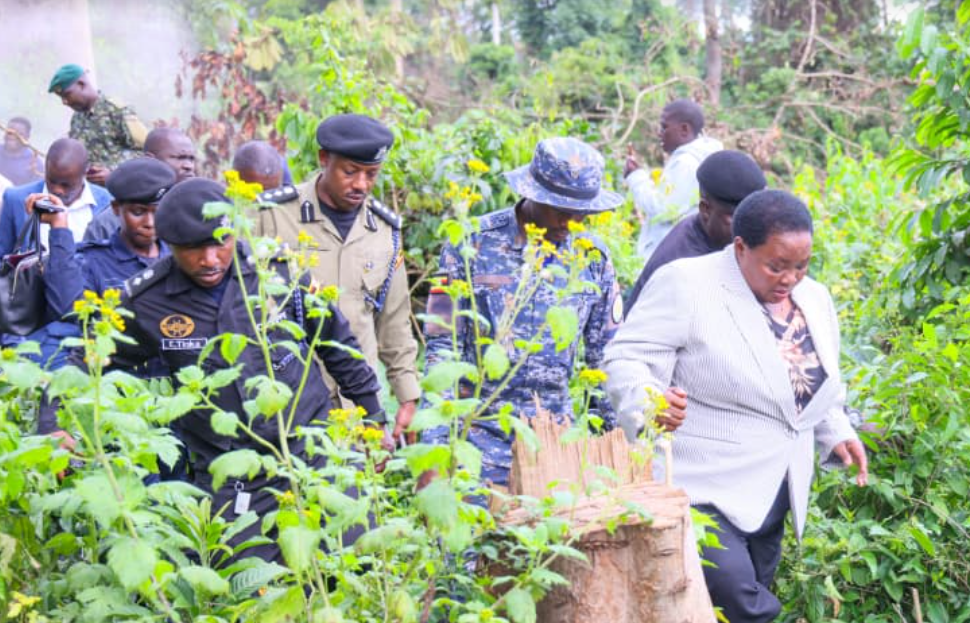
Alarmed by the degradation of one of Uganda’s most important biodiversity and carbon reservoirs, the Task Force has made restoring Bugoma Central Forest Reserve a national priority.