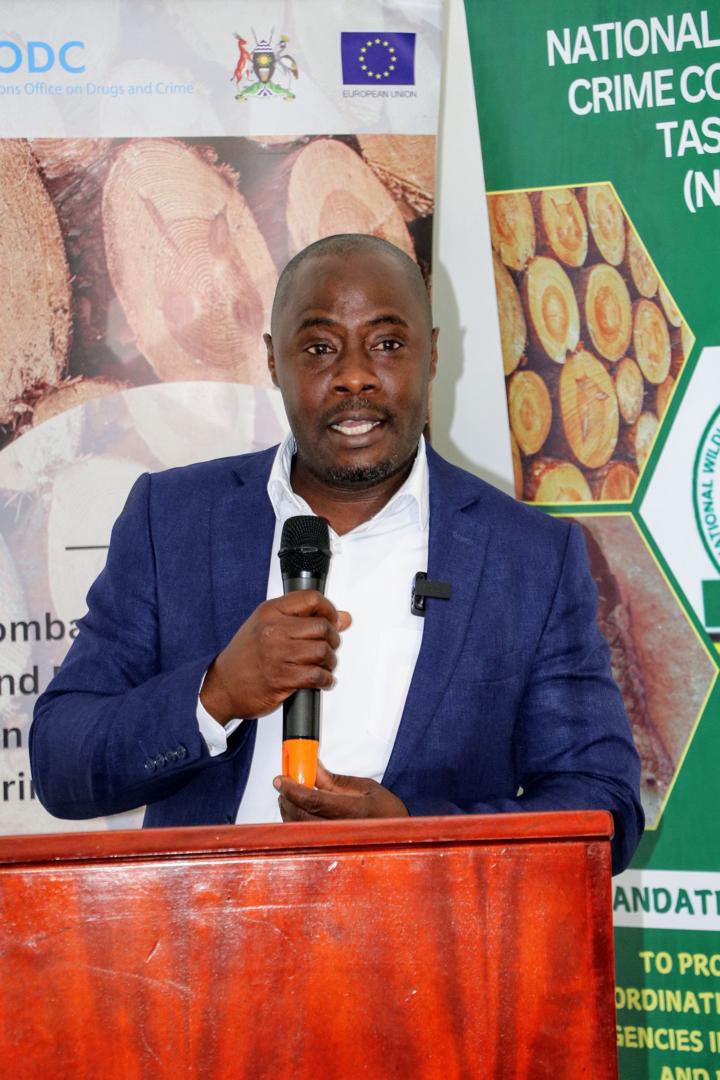
Uganda has set itself an ambitious national goal: under Vision 2040, the country aims to raise its forest cover to 24%. At the Bunyoro stakeholder engagement in Hoima on 23 October 2025, the National Forestry Authority’s Mr. Robert Owiny reaffirmed that target, and, in doing so, reframed the fight against forest crime as part of a much larger restoration effort.
Reaching that target is not simply a matter of planting trees. In sub-regions like Bunyoro, where the pressures of encroachment, illegal logging and charcoal production are most intense, restoring forest cover means addressing the reasons the forests are being lost in the first place. That is where the Task Force’s coordinated model comes in.
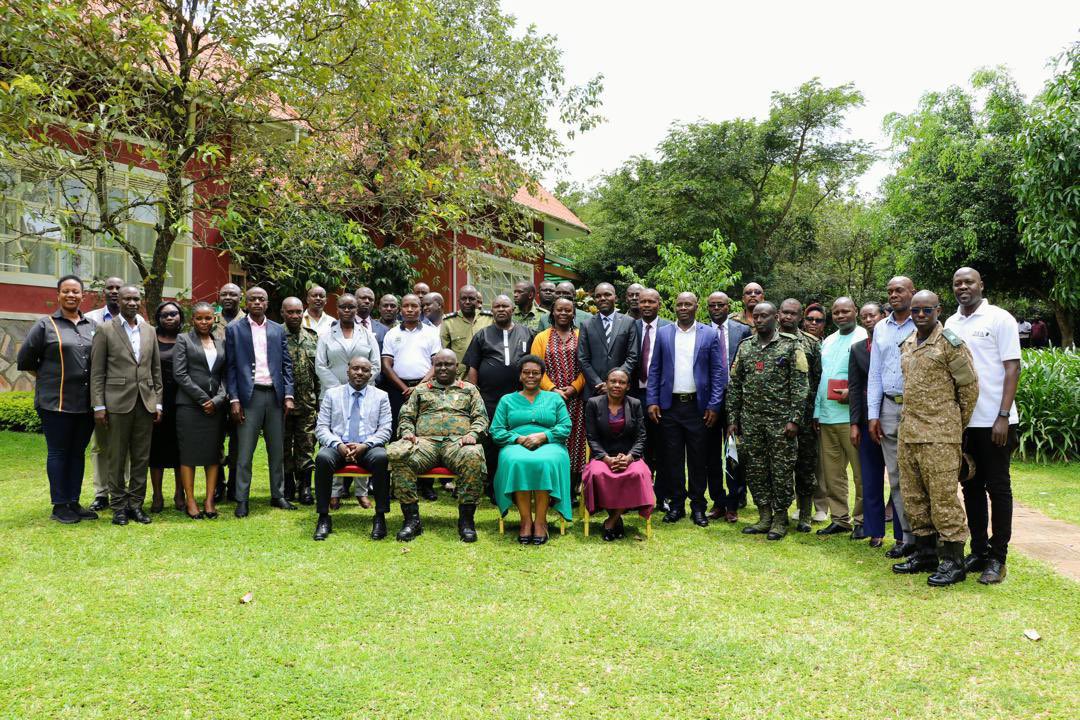
Three strands run through the work. The first is community engagement, bringing local leaders, cultural institutions and residents into the effort, because forests near communities are only as safe as those communities choose to make them. The second is enforcement, securing reserve boundaries and stopping the illegal cutting and clearing that strip forests bare. The third is offering alternatives, so that the charcoal trade and other drivers of deforestation give way to livelihoods that do not depend on felling the forest.
The 24% target gives the effort a clear measure of success. Restoring Bunyoro’s forests, reserve by reserve, boundary by boundary, is how a national ambition becomes real on the ground. If you see forest crime in your area, report it to the Task Force.