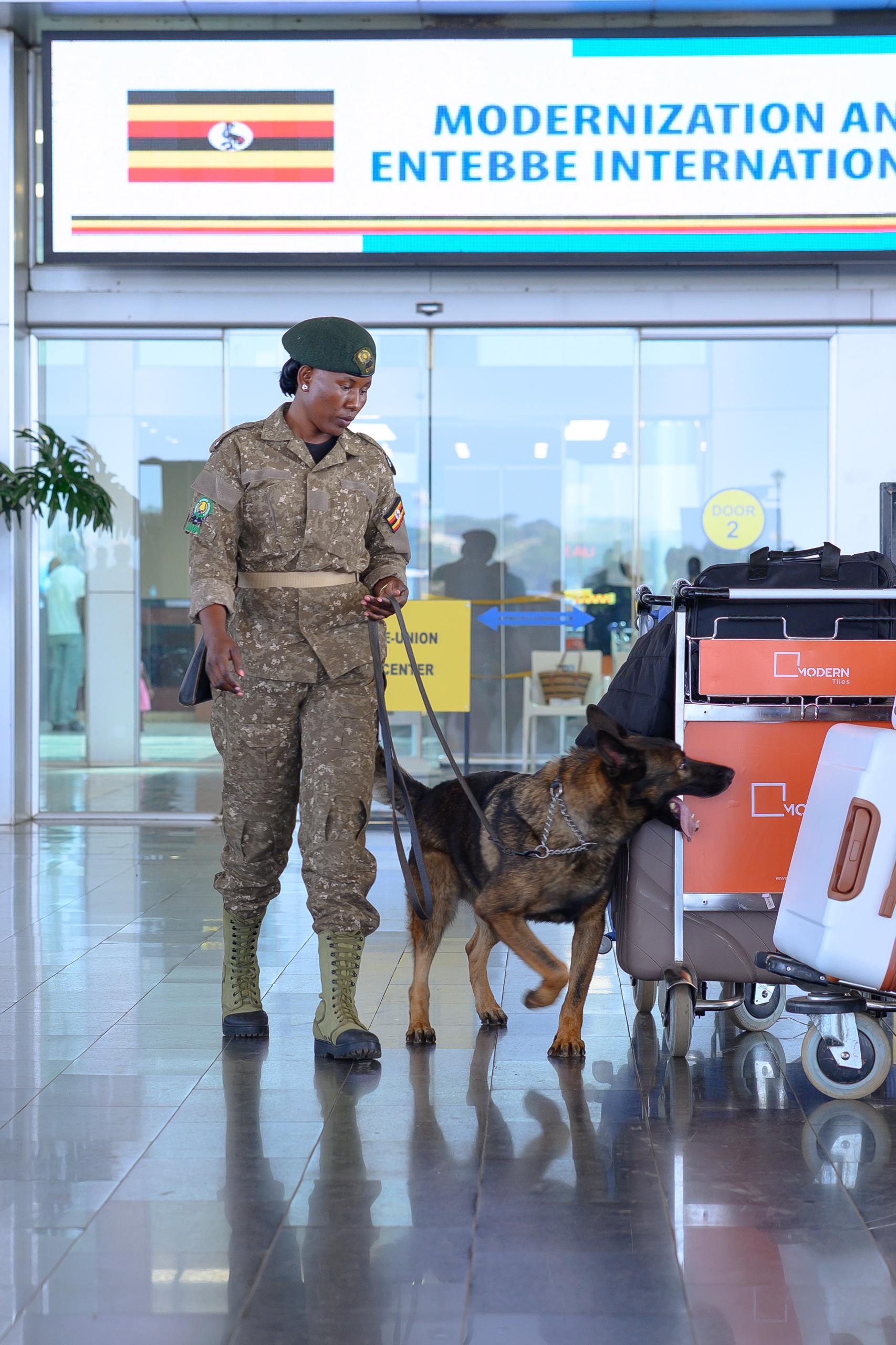
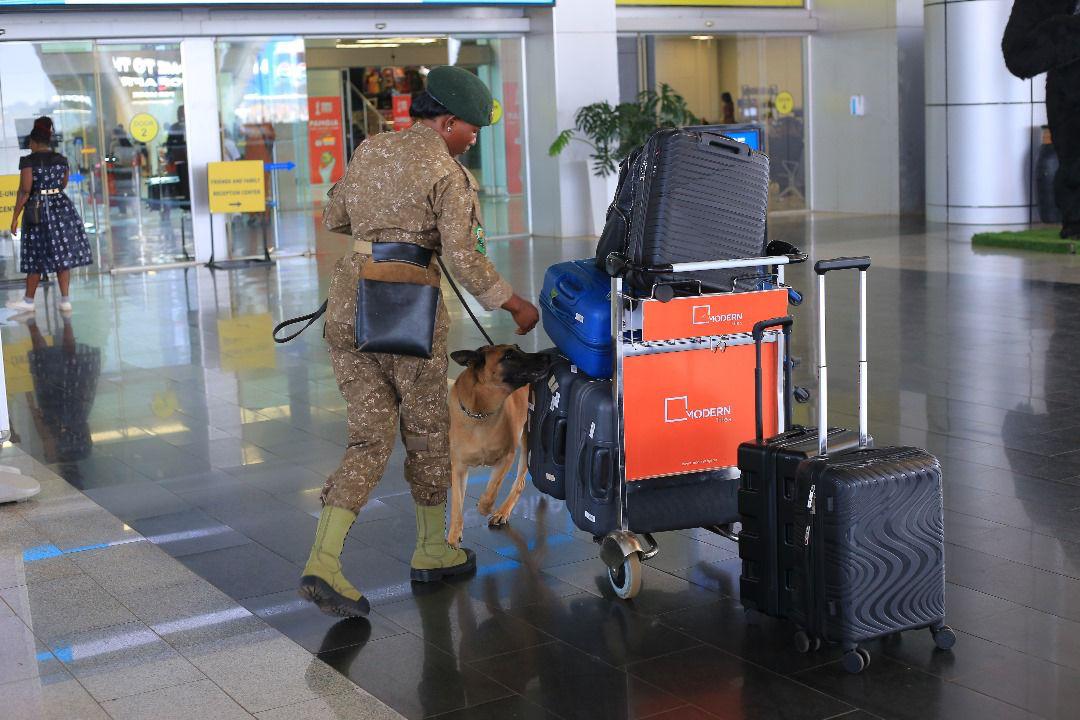
A trafficker can repack a suitcase, seal a crate, or bury contraband under coffee and dried fish to throw off a scanner. What is far harder to defeat is a nose. At Entebbe International Airport, Uganda’s busiest port of exit, trained detection dogs work the arrivals hall, the baggage belts and the cargo sheds, reading the air for the scent of wildlife contraband that human eyes and machines can miss.
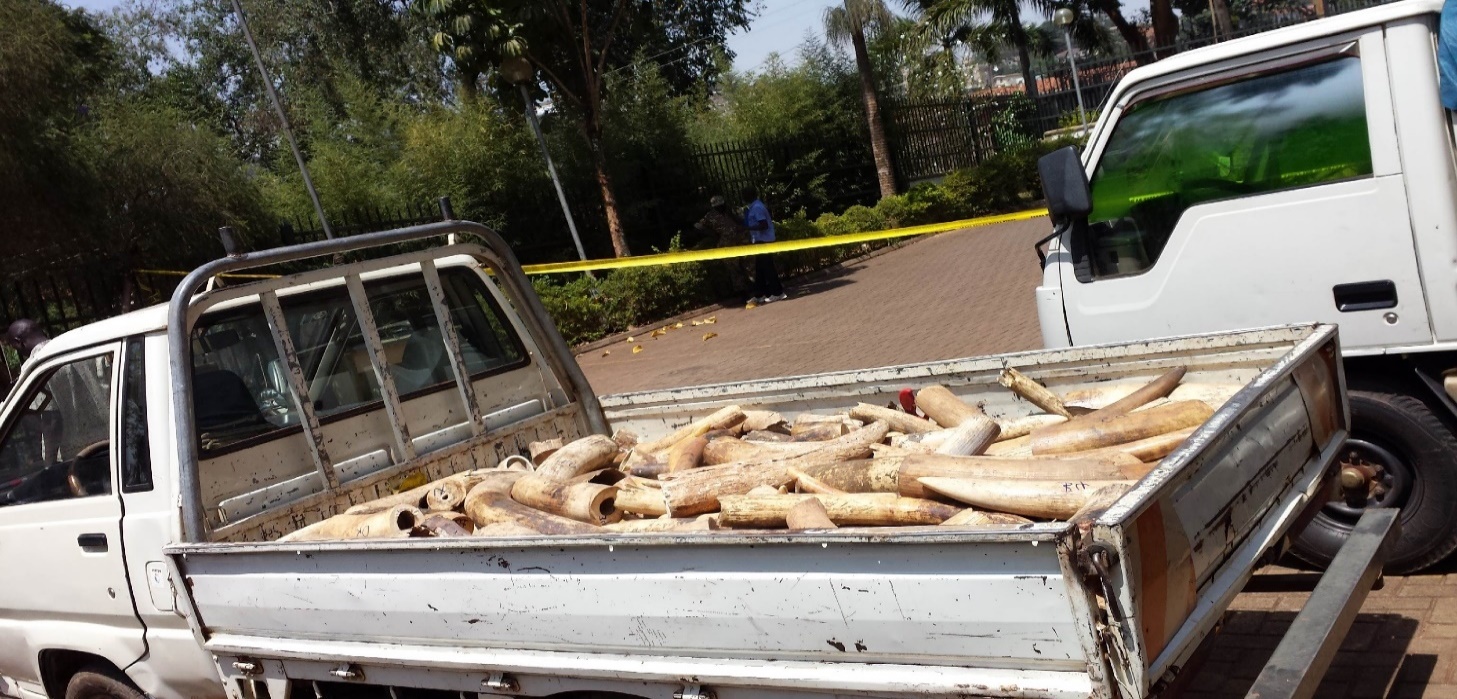
The dogs are trained to flag the trade’s signature products: elephant ivory, pangolin scales, and live animals such as birds and reptiles concealed for the exotic-pet market. A single alert, a dog sitting calmly beside a bag or a pallet, is enough to pull a consignment aside for a hand search. It is fast, non-invasive, and remarkably difficult to bluff.
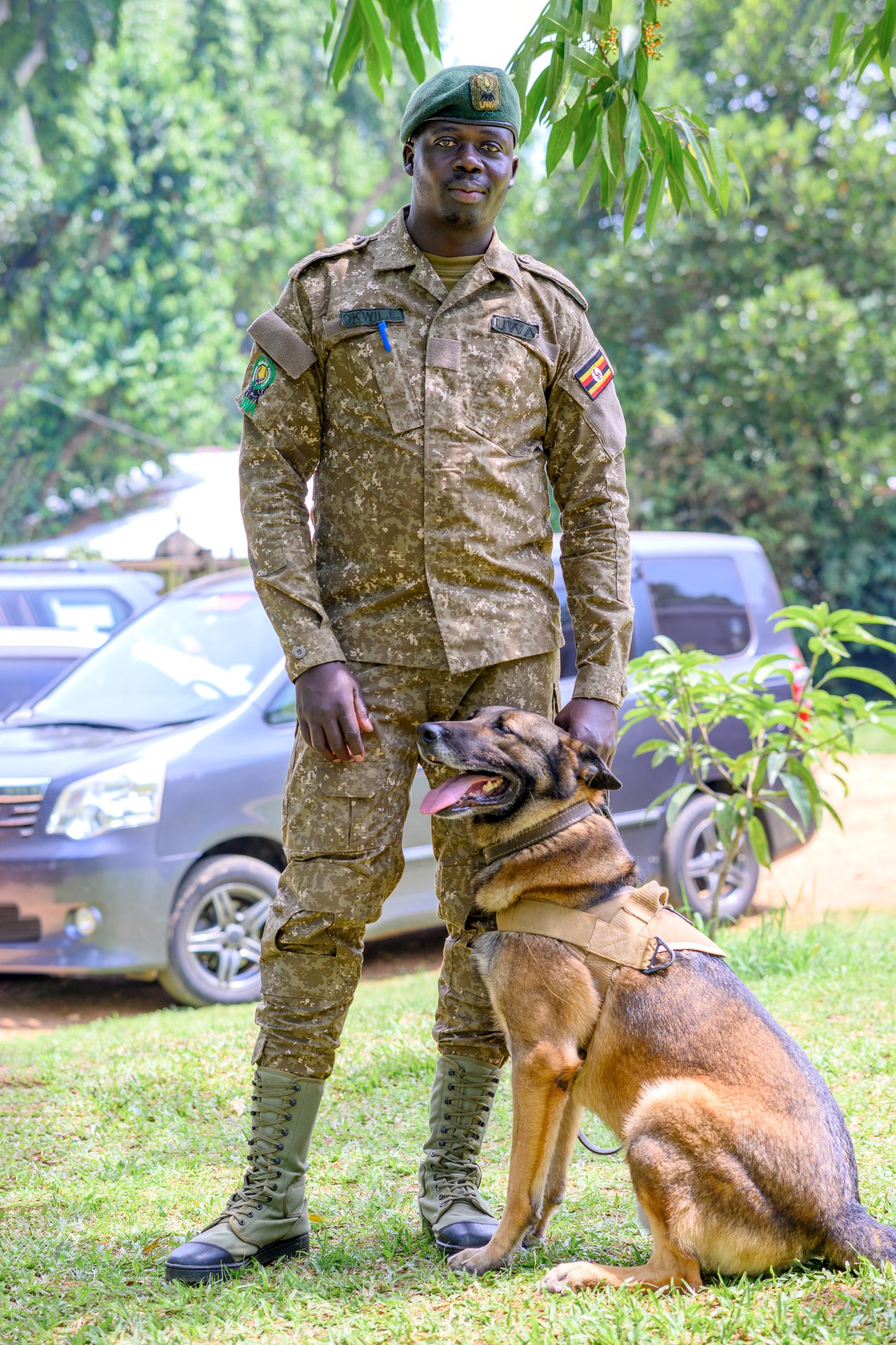
What makes the unit work is a partnership. Behind every dog is a handler who knows its temperament, reads its subtle changes in behaviour, and keeps its training sharp through constant drills. The bond is the tool: a well-matched handler-and-dog team can screen a moving crowd or a stacked cargo bay far quicker than a manual search of every item, and with a confidence no checklist can match.
Ports of exit matter because they are chokepoints. Wildlife products sourced across the region are funnelled toward a handful of airports and border crossings on their way to distant markets, and it is at those narrow points that a single successful interdiction can break an entire chain. Screening luggage and cargo where the trade must pass turns a wide, hard-to-police problem into a series of controllable gates, and the canine units stand at the gate.
Detection dogs are only one layer of a coordinated response that also draws on customs intelligence, wildlife expertise and prosecution. But they are among the most visible, and among the most effective. If you have information about wildlife products being moved through an airport, border post or highway, report it to the Task Force, anonymously if you prefer.