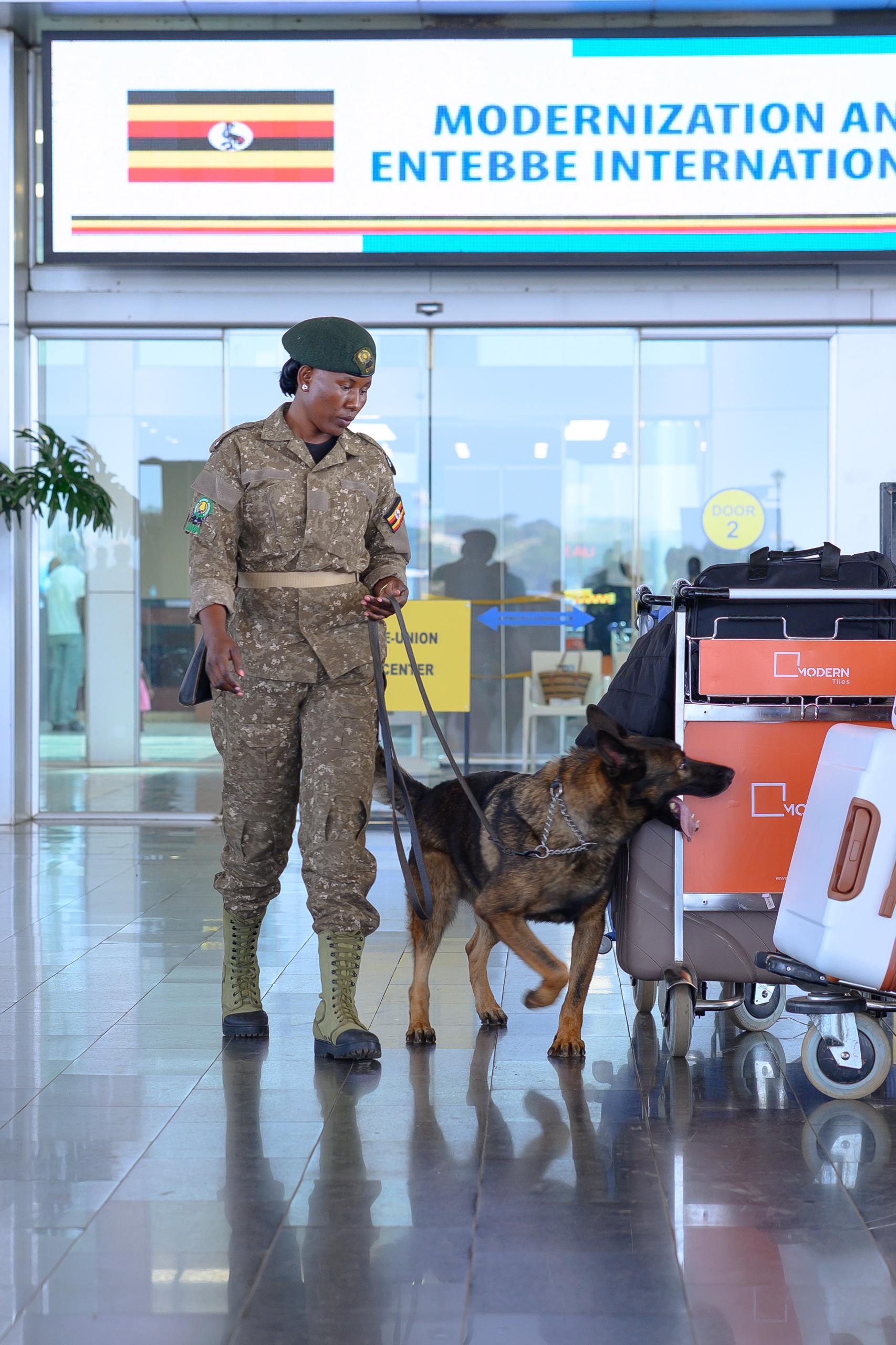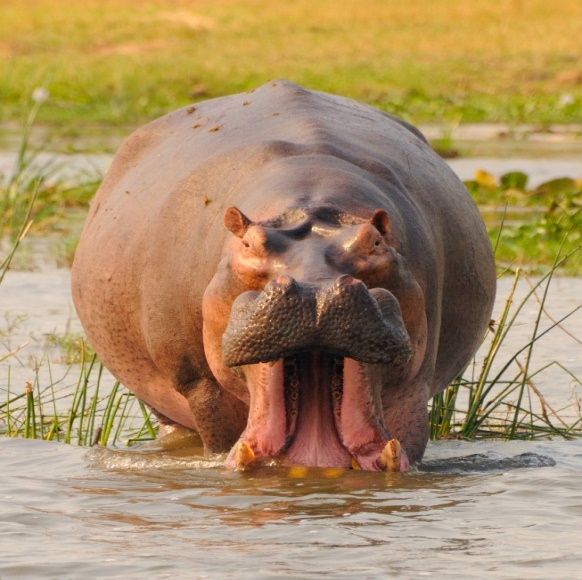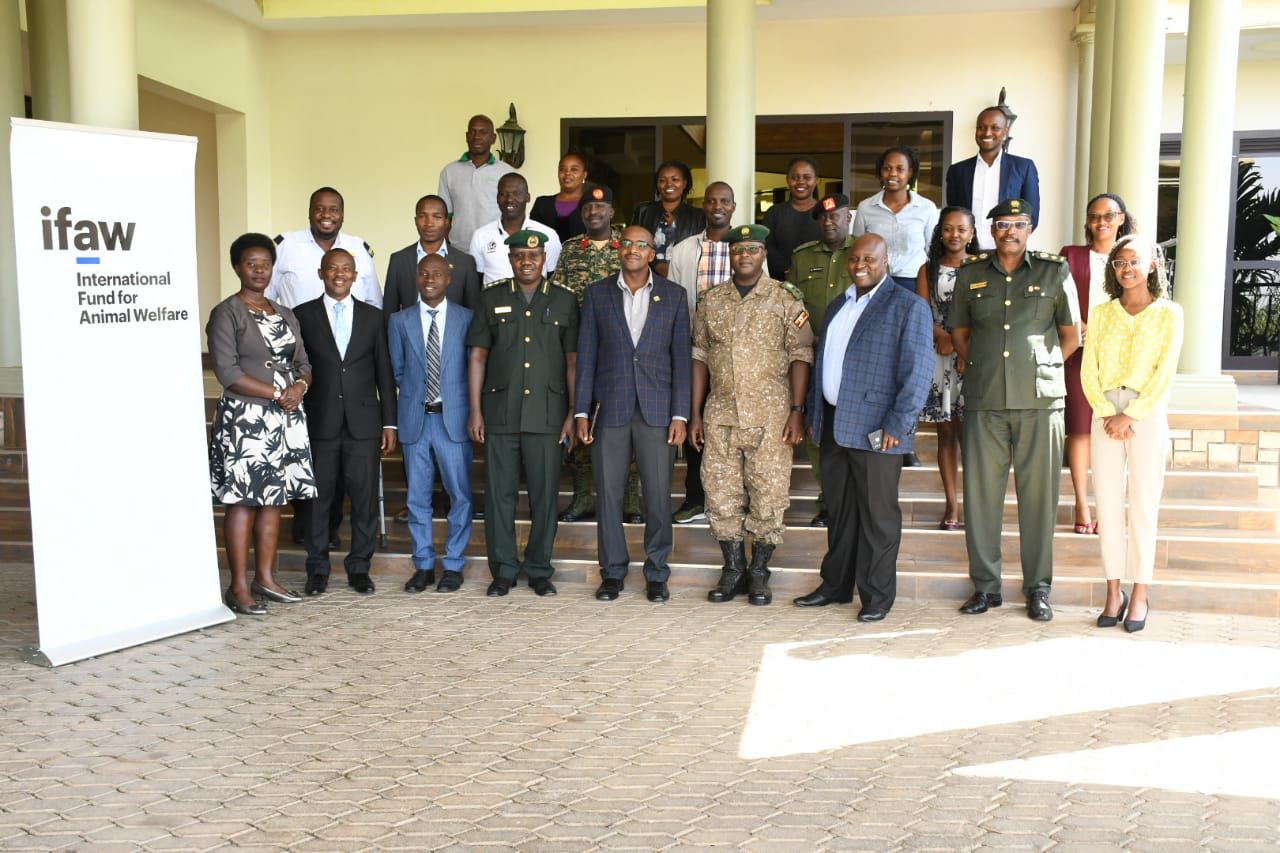
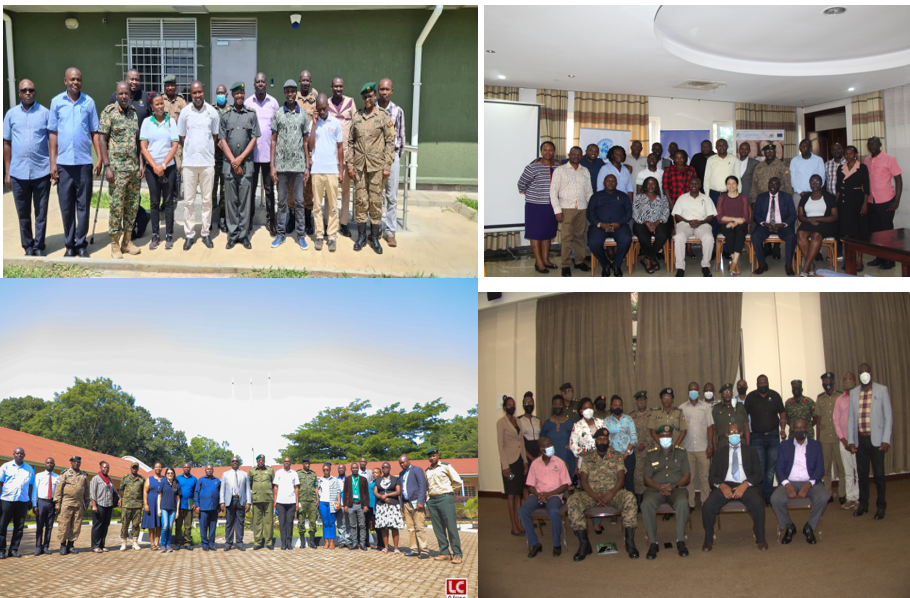
Laws are written in Kampala, but wildlife crime happens at park boundaries, forest edges and border crossings. That is why, between 2018 and 2025, the NWCCTF carried its message directly to nine regions on the frontline: Kasese, Elgon, Karamoja, Gulu and Bunyoro, and the border posts of Malaba, Busia, Rwakhaka and Mpondwe.
The regions were not chosen at random. Each sits close to a national park or a border point where poaching and trafficking are most active. In every workshop, the Task Force brought together the people who actually decide whether a case succeeds: district leaders, police and army officers, customs and immigration staff, prosecutors, magistrates, cultural leaders and community representatives.
The sessions do three practical things. They teach identification, endangered wildlife and tree species, and the smuggling techniques used to move them. They build relationships, so a customs officer in Malaba knows exactly which UWA intelligence officer to call. And they recruit the public as the first line of defence, because a community that understands what wildlife crime costs it is a community that reports.
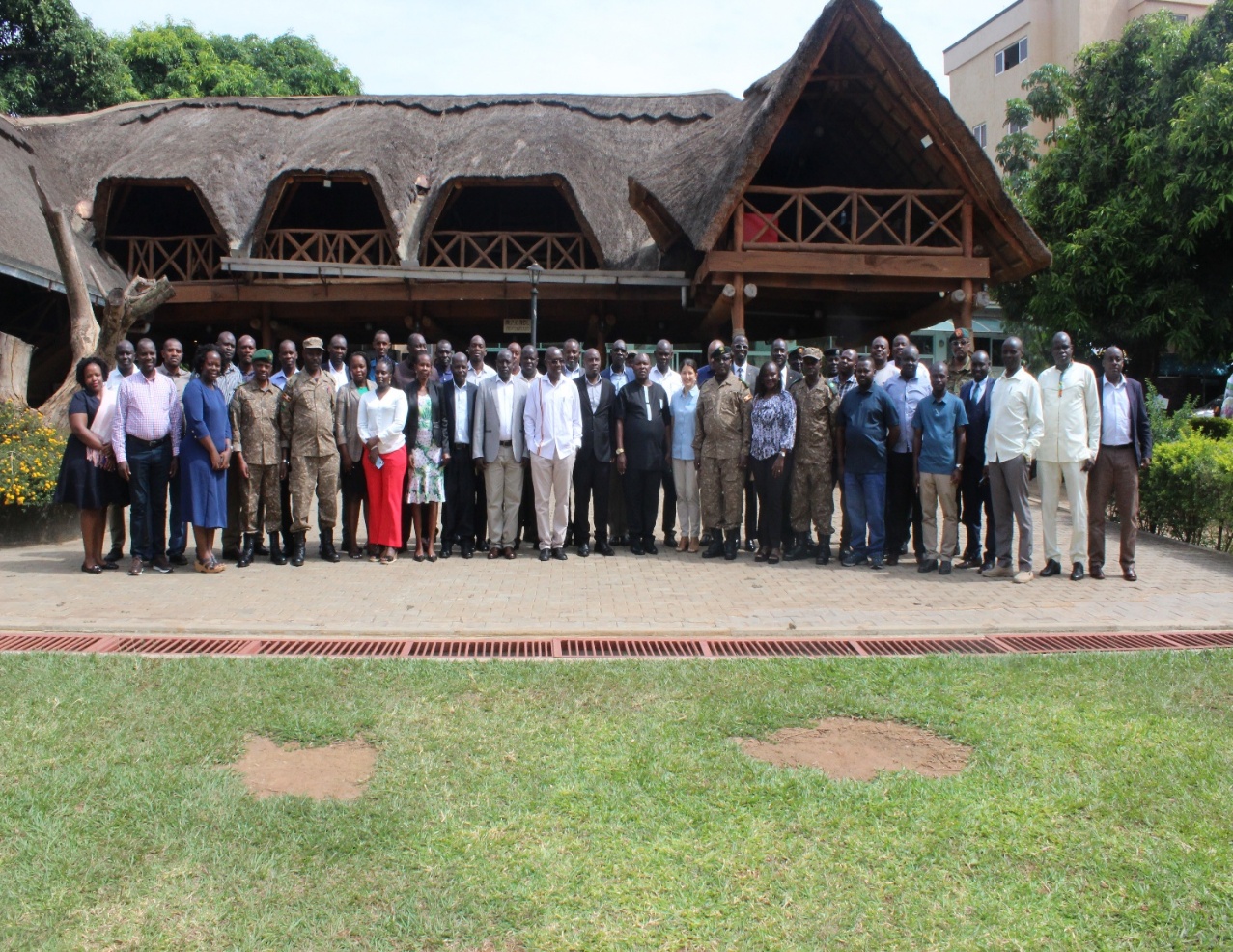
Alongside the regional programme, focal officers from all member institutions have received specialised training, including the five-day DISRUPT course in Fort Portal in February 2023 on species identification, CITES permits and smuggling detection.
The result is a widening network of eyes. You can be part of it: learn the categories of wildlife crime, and if you see something, say something.