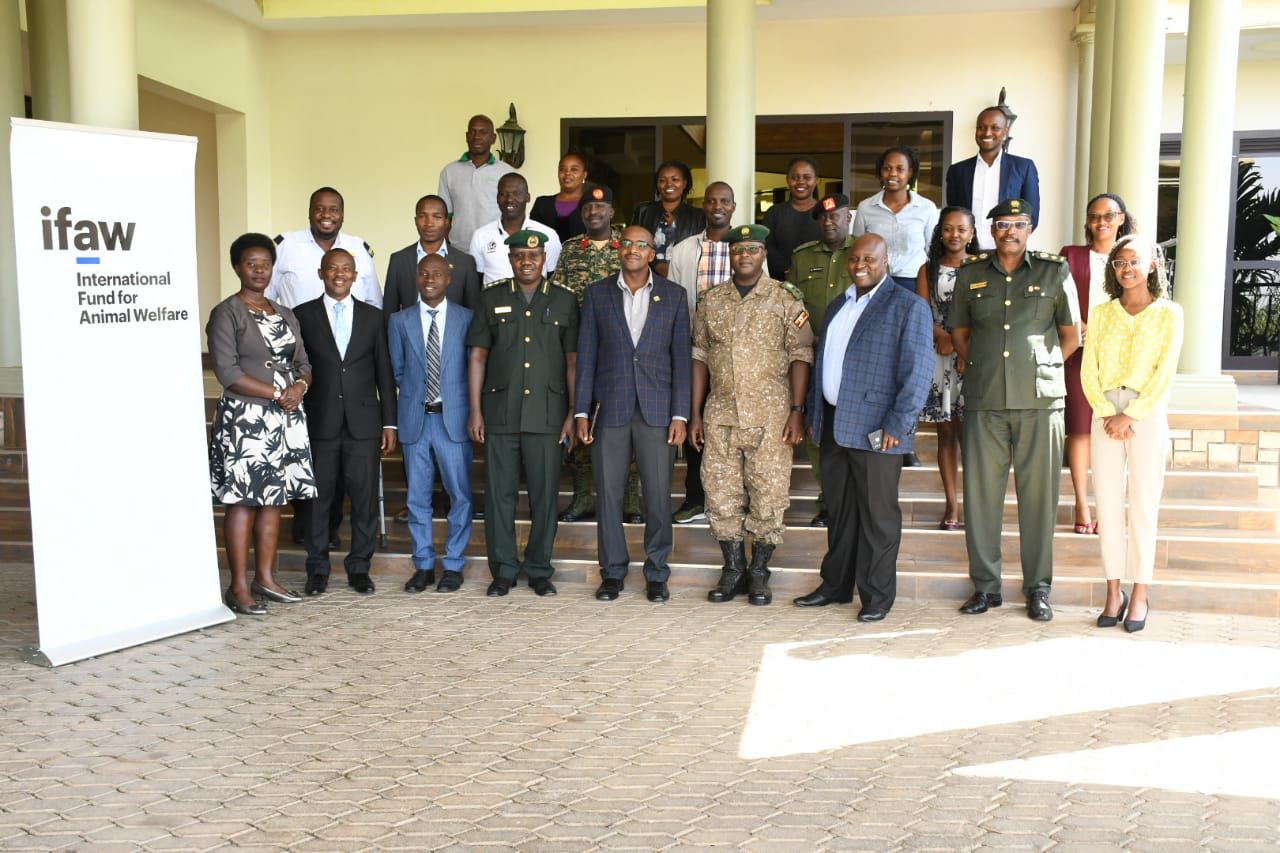
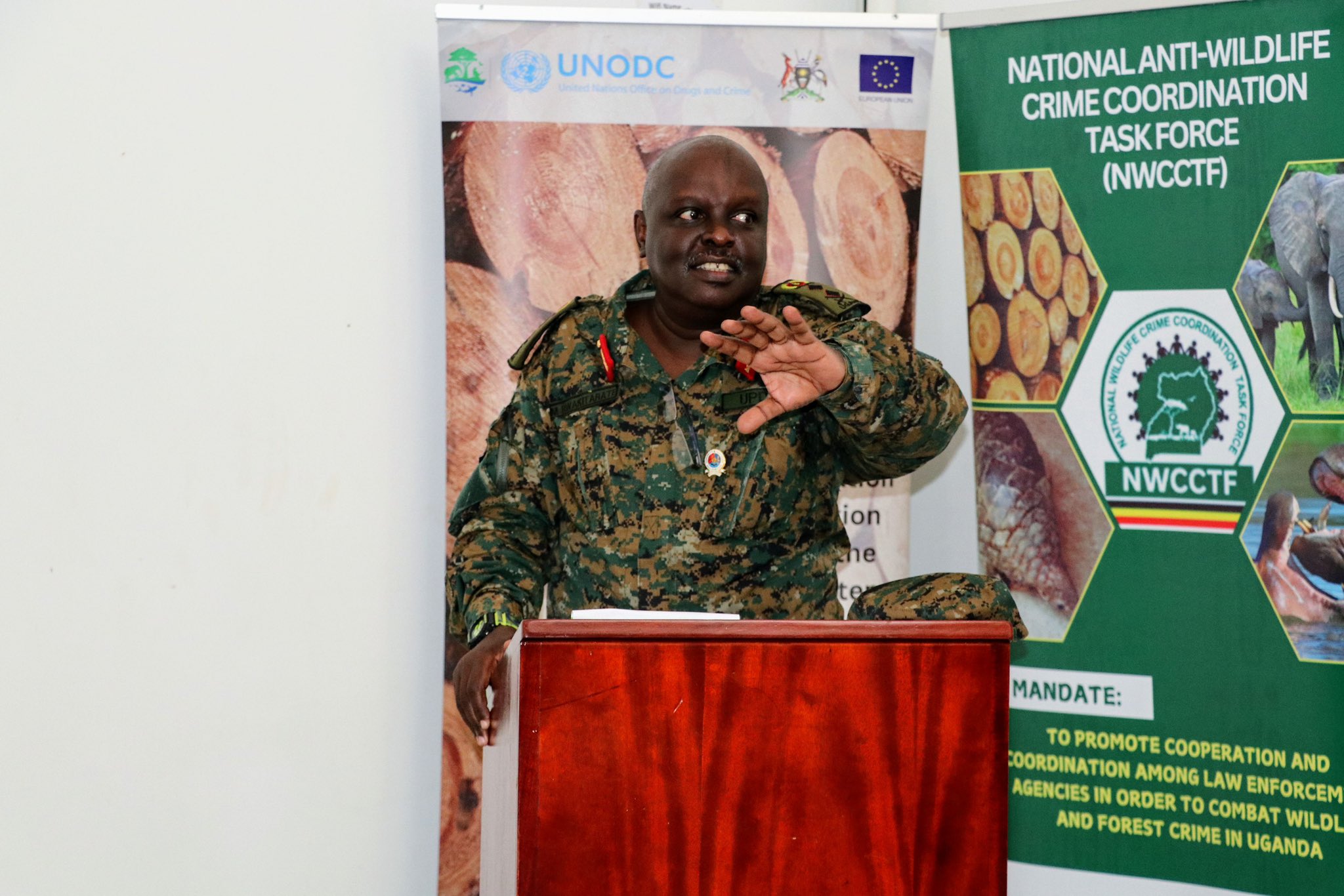
Enforcement stops a crime; justice deters the next one. That was the thread running through the contributions of the justice sector at the Bunyoro stakeholder engagement in Hoima on 23 October 2025, where UNODC’s Ms. Annet Okot and the Resident Judge of Masindi emphasised teamwork and justice in environmental protection.
Their message placed the Judiciary and prosecutors firmly inside the response to forest and wildlife crime. A seizure or an arrest is only the beginning: it is the courts and prosecutors who turn evidence into convictions, and convictions into the deterrent that makes would-be offenders think twice. When the justice sector works hand in hand with enforcement agencies, cases are less likely to falter and more likely to end in meaningful sentences.
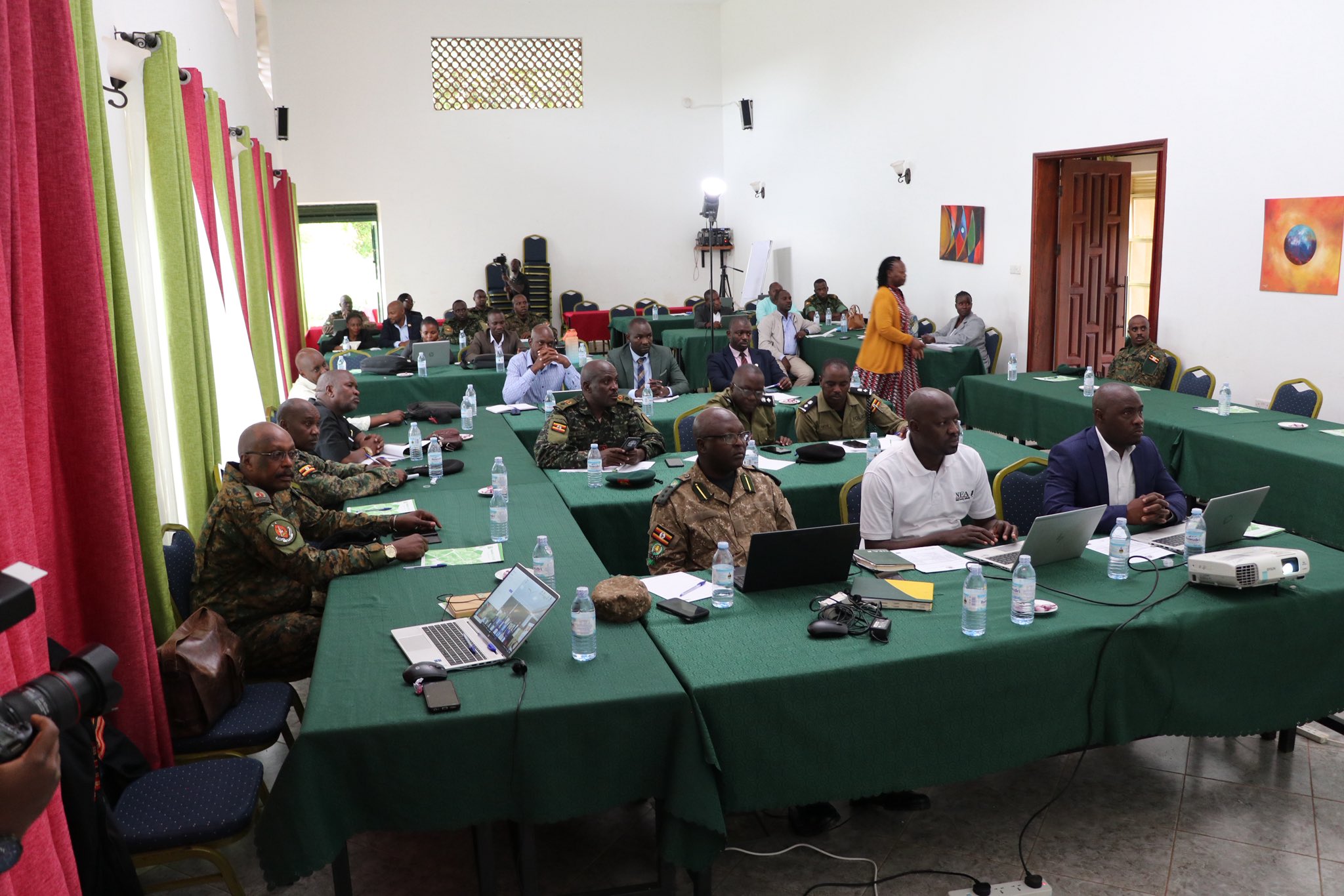
Uganda has built dedicated machinery for exactly this purpose. Most wildlife and forest crime cases are prosecuted through the Standards, Utilities and Wildlife Court, the country’s specialised court for these offences, which has helped strengthen prosecution outcomes and sentencing. Partnerships like the one on show in Bunyoro connect that court and the prosecutors who feed it to the officers making arrests in the field.
Protecting the environment, the engagement made clear, is a shared responsibility, carried not only by rangers and enforcement officers, but by the judges and prosecutors who see cases through. If you have information about forest or wildlife crime, report it to the Task Force.